
Five new electric cars now sell in the UK for under £20,000 once the Electric Car Grant is applied, and their batteries are built to go the distance. From the LFP-powered Dacia Spring to the Citroën ë-C3, this guide covers real prices, battery chemistry, warranty terms, and expected degradation for each car, so you know exactly what you’re buying, not just the price on the windscreen.
EV battery life used to be the biggest worry for anyone shopping on a budget. Buyers assumed a cheap electric car meant a cheap battery that would fade fast. That’s no longer true.
In 2026, several of the UK’s most affordable electric cars use the same tough lithium iron phosphate (LFP) chemistry found in premium models, backed by 8-year warranties as standard.
Prices have fallen fast too. The UK’s Electric Car Grant now knocks up to £3,750 off the price of a new EV at the point of sale, and manufacturers have piled their own discounts on top. The result is a genuine sub-£20,000 EV market for the first time, and it’s not just the range and price that stack up. The battery warranties are just as strong as the packages you’d get on a much pricier car.
This guide walks through five electric cars you can buy new in the UK right now for under £20,000, with a close look at what’s inside each battery pack, how long it’s expected to last, and what the warranty actually covers.
What Are the Cheapest Electric Cars You Can Buy in the UK in 2026?
The five cheapest new electric cars in the UK for 2026 are the Dacia Spring (£12,240), the Leapmotor T03 (£12,995), the Citroën ë-C3 Urban Range (£18,495), the Fiat 500e (£17,245), and the Renault Twingo E-Tech (priced under £20,000). All five prices include current UK grant discounts, and all five use battery chemistries designed to resist rapid degradation.
Every car on this list uses either lithium iron phosphate (LFP) or a well cooled nickel manganese cobalt (NMC) pack, and every one carries a battery warranty of at least four years, with most stretching to eight. That’s a big shift from the early days of budget EVs, when smaller batteries and shorter warranties were the price of admission.
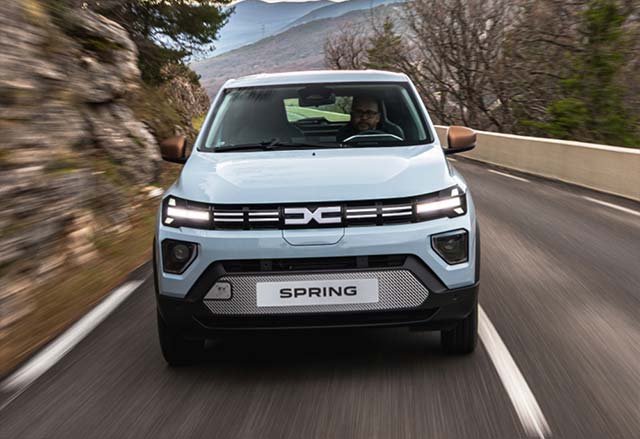
Dacia Spring: £12,240 and a Battery Built for Longevity
The Dacia Spring’s recent price cut confirmed its spot as the UK’s cheapest new EV, and the 2026 update brought a battery upgrade to match. The car now uses a 24.3kWh lithium iron phosphate (LFP) battery pack, described by Dacia as the first application of LFP technology anywhere in the Renault Group.
LFP batteries are heavier for their size than NMC alternatives, but they run cooler, tolerate frequent full charges better, and typically last longer before their capacity drops off. That matters for a car built to be charged overnight on a home wallbox, night after night.
With the £3,750 Electric Car Grant applied, the Spring starts at £12,240 on the road. It offers 140 miles of WLTP range, and Dacia backs the battery separately with an 8-year, 75,000-mile warranty, even though the standard vehicle warranty runs to just three years. Owners who service the car through a Dacia dealer can extend the whole-vehicle warranty to seven years under the brand’s Zen scheme.
Charging is straightforward: a 40kW DC connection takes the Spring from 20% to 80% in around 29 minutes, and a 7kW home wallbox fills it overnight.

Citroën ë-C3 Urban Range: £18,495 With LFP Battery Peace of Mind
The Citroën ë-C3 Urban Range brought Citroën’s small electric hatchback under the £20,000 line by fitting a smaller 30kWh battery. With the £1,500 Electric Car Grant applied, it starts at £18,495, a meaningful step down from the 44kWh Standard Range version, which costs over £20,000 before the grant.
Both battery sizes use LFP chemistry, and Citroën backs the pack with an 8-year, 160,000km warranty, matching the industry’s strongest budget-EV cover. Independent capacity estimates suggest the Urban Range battery should retain around 90% of its original capacity after eight years of typical use, a solid figure for a car in this price bracket.
The trade-off is range. The Urban Range’s 30kWh pack is good for roughly 105 to 130 miles depending on conditions, noticeably less than the 44kWh Standard Range’s 155-mile figure. For local driving, school runs, and commuting, that’s usually plenty. For regular longer trips, the Standard Range or one of the other cars on this list may suit better.

How Much Does the Leapmotor T03 Cost and What Battery Does It Use?
The Leapmotor T03 costs £12,995 on the road as of July 2026, after Leapmotor doubled its own manufacturer discount, and it uses a 37.3kWh battery with roughly 36kWh usable, giving it more capacity than either the Dacia Spring or the Citroën ë-C3 Urban Range at a similar price.
That extra capacity translates to a longer official range of 165 miles WLTP. The battery is managed by an onboard system that uses cloud technology to monitor its condition and keep it within an optimal temperature range, which should help protect long-term health.
Warranty cover is split in two. The whole vehicle is covered for four years or 60,000 miles, an extra year over most European rivals, while the battery itself carries a separate eight-year warranty, in line with the best cover in this price bracket. Backed by Stellantis, which also owns Citroën, Peugeot, and Fiat, Leapmotor has a ready-made dealer and parts network behind the car, something worth knowing given the brand’s short track record in the UK.
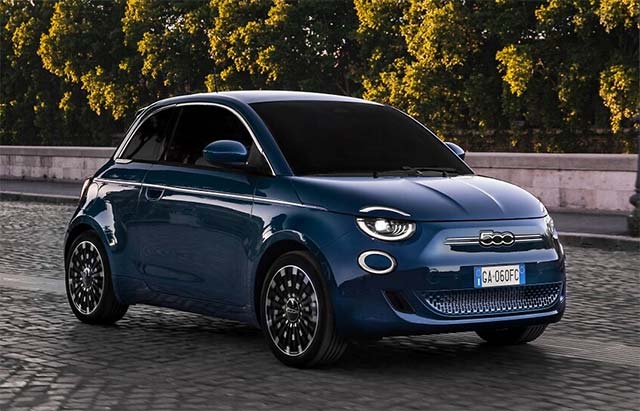
Is the Fiat 500e’s Battery Warranty Better Than Its Rivals?
Yes. The Fiat 500e’s battery warranty runs for eight years or 100,000 miles, with Fiat promising to repair or replace the pack if capacity drops below 70% within that window, a stronger guarantee than most rivals in this price range offer.
FIAT 500e’s grant-adjusted pricing now starts at £17,245 after the £3,750 Electric Car Grant, for the entry-level 24kWh version. A larger 42kWh option is also available for buyers who want more range, using the same NMC chemistry sourced from Samsung SDI.
Unlike the LFP packs used by the Dacia Spring, Citroën ë-C3, and Renault Twingo, the Fiat’s NMC battery is liquid cooled rather than air cooled, which is one of the biggest factors in long-term battery health. Thermal management issues, not chemistry alone, are usually what causes early EV batteries to degrade quickly, and a properly cooled pack tends to hold its capacity far better over time.

Renault Twingo E-Tech: The Newest Sub-£20k Electric City Car
The Renault Twingo E-Tech is the newest arrival on this list, landing in UK showrooms in 2026 with Renault promising a price comfortably under £20,000. It uses a 27.5kWh LFP battery good for 163 miles of WLTP range, putting it between the Dacia Spring and Leapmotor T03 on both battery size and range.
Renault backs the battery with an 8-year warranty, and the LFP chemistry brings the same benefits seen elsewhere on this list: strong thermal stability and the ability to be charged to 100% regularly without accelerating wear. A built-in preconditioning system also helps protect winter range by warming the battery ahead of a charging session, a feature not every budget rival includes.
Charging is handled by a 6.6kW AC unit as standard, with a faster 50kW DC option available that takes the battery from 10% to 80% in around 30 minutes on the optional Advanced Charge pack.
How Long Do EV Batteries Actually Last on a Budget Car?
Real-world data suggests EV batteries lose about 2% to 3% of their capacity per year on average, meaning most retain around 80% of their original range after eight years, regardless of whether the car cost £13,000 or £60,000.
This isn’t just theory. ElectricCarsReport’s own look at EV battery life found that vehicles relying heavily on DC fast charging degraded roughly twice as fast as those charged mostly on slower AC power, largely because of heat generated during rapid charging. That pattern holds across both budget and premium EVs.
What actually protects a budget EV’s battery isn’t the price tag, it’s the chemistry and the warranty behind it. LFP batteries, used in the Dacia Spring, Citroën ë-C3, Leapmotor T03, and Renault Twingo, are chemically more resistant to the kind of degradation that comes from frequent full charges and heat. NMC batteries, like the one in the Fiat 500e, need good cooling to match that longevity, and Fiat’s liquid-cooled system delivers it.
An 8-year battery warranty, now standard on four of the five cars in this guide, means that even if the battery does degrade faster than expected, the manufacturer is on the hook to fix it. That’s a level of protection budget EV buyers simply didn’t have a few years ago.
Which of These Electric Cars Should You Buy?
There’s no single right answer, since each of these cars suits a slightly different buyer. The Dacia Spring is the cheapest way into EV ownership and ideal for short urban trips. The Leapmotor T03 offers more range and a longer warranty for a similar price. The Citroën ë-C3 and Renault Twingo balance price against a bit more comfort and technology, while the Fiat 500e leads on battery warranty terms if peace of mind matters most to you.
Whichever you choose, the underlying story is the same: budget no longer means battery compromise. These cars use the same kind of thinking that goes into far pricier EVs, just scaled down to fit a smaller price tag. If you’re weighing up a used alternative instead, our guide on what to know before buying a used electric car is a good next stop, and it’s worth remembering that every EV on this list also delivers the lower life-cycle emissions that come with going electric in the first place. Some brands are also stacking their own incentives on top of the government grant, so it’s worth checking offers like Leapmotor’s own manufacturer grant before you order.


