
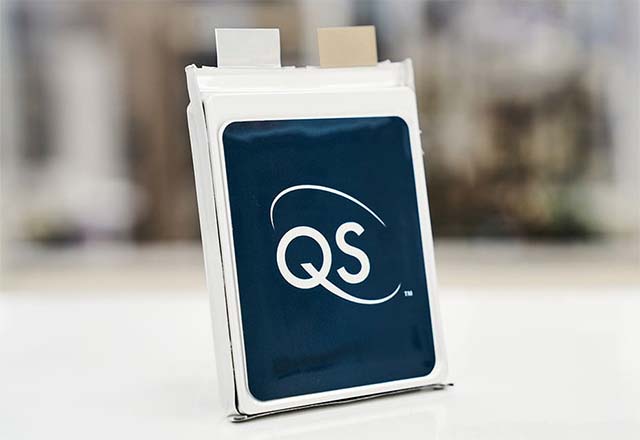
QuantumScape has announced a new joint research agreement with Honda R&D aimed at accelerating the development of next-generation solid-state lithium-metal batteries.
The multi-year collaboration will focus on advancing QuantumScape’s battery platform while also refining the manufacturing processes required to bring the technology to large-scale production. The agreement marks the next phase in the relationship between the two companies after Honda successfully completed an extensive evaluation of QuantumScape’s technology.
According to QuantumScape, Honda conducted a comprehensive assessment that included hands-on technical analysis of the company’s solid-state battery platform, as well as benchmarking against competing technologies through a range of standard industry tests.
Honda said the evaluation revealed significant advantages in QuantumScape’s technology.
“QS technology demonstrated compelling and unique advantages during our evaluation,” said Atsushi Ogawa, Chief Operating Officer of the Research Center of Excellence at Honda R&D. “We see potential for QS technology to add value across a range of applications, including automotive, and we are excited to move forward into the next phase of our partnership.”
Solid-state batteries are widely viewed as one of the most promising technologies for future electric vehicles. Compared with conventional lithium-ion batteries, they have the potential to deliver higher energy density, improved safety, faster charging capabilities, and longer lifespan.
For QuantumScape, securing a deeper partnership with one of the world’s largest automakers represents another important step toward commercializing its technology.
“Honda is a leading global automaker renowned for its engineering excellence and product quality across automotive and other applications worldwide, and its evaluation represents one of the most rigorous assessments of our technology to date,” said Dr. Siva Sivaram, CEO and President of QuantumScape. “This agreement reflects the growing confidence in QS solid-state lithium-metal batteries to enable safer, higher-density energy storage.”
While neither company disclosed a timeline for commercialization, the agreement highlights growing industry momentum behind solid-state battery technology as automakers continue searching for ways to improve EV range, charging performance, and safety.
The collaboration could help accelerate the path toward next-generation electric vehicles powered by solid-state batteries, a technology many believe will play a key role in the future of electrified transportation.


