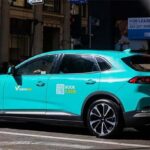
If Chinese automakers ever gain access to the US market, they may find their first loyal customers among Gen Z buyers.
A new study from Cox Automotive shows a striking generational divide in attitudes toward Chinese vehicle brands. According to the 800-person survey conducted between December 29, 2025 and January 2, 2026, 69% of Gen Z car shoppers say they are “more likely” to consider a Chinese brand.
That’s a sharp contrast to the broader market. Among all respondents, just 38% said they were “extremely” or “very likely” to consider a Chinese automaker, while 39% were unlikely to consider one at all.
Affordability Is the Key Driver
Price appears to be the biggest factor behind Gen Z’s openness.
With the average price of a new vehicle in the US hovering around $50,000, younger buyers are increasingly prioritising affordability over premium features. Chinese electric vehicles, already sold in Europe and Asia at significantly lower price points, could hit that sweet spot.
For example, BYD’s Dolphin Surf EV is priced at around €23,000 (roughly $25,000) in Europe — about half the cost of many new vehicles in the US. For first-time buyers and younger drivers burdened by student debt and high living costs, that pricing gap is hard to ignore.
Tariffs and Trade Barriers Still Stand in the Way
Currently, Chinese vehicles face steep barriers to entering the US market. Tariffs on Chinese-made cars stand at 100%, alongside restrictions on Chinese vehicle technology and software.
These measures reflect concerns from US automakers and policymakers about competitive pricing pressure and data security risks. The Cox study suggests those fears may not be unfounded: 58% of franchised dealers surveyed believe Chinese brands would undercut existing automakers on price. Among general consumers, 51% share that expectation.
Brand Awareness Remains Low
Despite the growing interest among younger buyers, brand awareness is still limited.
Only 35% of survey respondents said they were aware of BYD, China’s most recognisable automotive brand, and just 17% claimed familiarity with it. Surprisingly, familiarity was even lower among dealers — only 25% said they were familiar with the brand.
This lack of awareness may be one of the biggest hurdles Chinese automakers face if they attempt to enter the US market.
Partnerships Could Be the Game-Changer
One of the most revealing insights from the study concerns trust.
When Chinese brands were paired with an established US automaker, consumer consideration jumped dramatically to 76%. That suggests brand alignment could matter just as much as pricing.
There have been reports that Ford explored a potential EV partnership with Xiaomi, though both companies denied the claims. Even so, the idea highlights a potential pathway for Chinese EV makers: entering the US market through joint ventures or manufacturing alliances.
As Cox Automotive noted in its report, affordability and fresh design may attract attention — but trust ultimately determines whether consumers complete the purchase.
What This Means for the US EV Market
For now, Chinese EVs remain largely absent from US showrooms. But if trade barriers ease and partnerships emerge, Gen Z buyers could be the tipping point.
With younger consumers already more EV-oriented and price-sensitive, Chinese automakers may find a receptive audience — provided they can build brand credibility and overcome regulatory obstacles.
The US EV landscape is evolving rapidly. And if Chinese brands do make their move, the next generation of drivers appears ready to listen.
[source: Yahoo Finance, Cox Automotive]