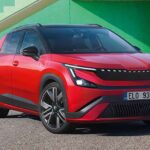
Nio Inc. has officially expanded its family-focused lineup with the debut of the Onvo L80, a large five-seat electric SUV designed to deliver space, efficiency, and flexible ownership options. Launched in Hefei, the new model underscores the brand’s rapid rollout strategy, with deliveries beginning immediately after its unveiling.
Positioned as a practical yet tech-forward SUV, the Onvo L80 enters a competitive segment with a starting price of 242,800 yuan (approximately $35,650), slightly undercutting its earlier pre-sale figure.
BaaS Pricing Lowers Entry Point
A key highlight is the availability of the Battery-as-a-Service (BaaS) model. Under this scheme, buyers can purchase the vehicle for as low as 156,800 yuan, significantly reducing upfront costs. However, this option requires a monthly battery subscription fee, aligning with Nio’s broader strategy of separating battery ownership from the vehicle.
At launch, CEO William Li emphasized that the pricing reflects the company’s effort to absorb rising costs in raw materials such as semiconductors and metals.
Three Trims With Distinct Tech Packages
The Onvo L80 is available in three trims—Pro, Max+, and Ultra+—each targeting different buyer needs.
The entry-level Pro model features a pure-vision system powered by Nvidia’s Orin X chip, supporting advanced driver assistance without LiDAR. Moving up, the Max+ and Ultra+ trims introduce LiDAR-based perception alongside Nio’s in-house Shenji NX9031 chip and the Nio World Model assisted driving system, offering enhanced autonomy capabilities similar to those in premium Nio vehicles.
Performance and Architecture
All variants come standard with a 900-volt high-voltage architecture and an 85 kWh ternary lithium battery pack—features typically reserved for higher-end EVs.
Rear-wheel-drive versions (Pro and Max+) accelerate from 0 to 100 km/h in 5.7 seconds, while the all-wheel-drive Ultra+ cuts that time to just 4.5 seconds. Air suspension is also standard across the range, reinforcing the L80’s premium positioning despite its competitive pricing.
Efficiency and Practicality Take Center Stage
Efficiency is a standout claim. Thanks to a lightweight design, the L80 achieves energy consumption of just 14.3 kWh per 100 km—among the lowest in its class.
Interior practicality is equally impressive. The SUV offers a 240-liter front trunk and a 1,200-liter rear cargo area, with total storage capacity reaching up to 2,840 liters. This focus on space and usability clearly targets families and long-distance users.
Incentives and Loyalty Benefits
Early buyers who place orders before May 31 can access incentives worth over 57,000 yuan, including limited-time discounts on options. Existing owners of Nio, Onvo, and Firefly vehicles are also eligible for additional reward points, encouraging brand loyalty and trade-ins.
Expanding Battery Swap Network
The L80’s appeal is closely tied to Nio’s rapidly growing battery swap infrastructure. The company plans to add 1,000 new swap stations in China this year, bringing the total accessible to Onvo models to over 3,300.
Currently, Nio operates 3,847 swap stations nationwide, with 2,495 already compatible with Onvo vehicles. This infrastructure advantage remains a key differentiator in the EV market, offering faster “refueling” compared to conventional charging.
Onvo’s Growth Trajectory
As a sub-brand of Nio, Onvo is still in its early growth phase but showing momentum. The brand delivered over 107,000 vehicles in its first full year (2025), though early 2026 figures show a slight year-on-year dip.
With the launch of the L80 and upcoming updates to other models like the L60 and L90, Onvo is clearly doubling down on a strategy of offering flexible, family-oriented EVs backed by advanced technology and a unique battery ecosystem.
[source: CNEVPOST]