QuantumScape has unveiled Osprey, a next-generation all-solid-state battery platform that could help overcome some of the biggest obstacles facing solid-state battery development.
The company’s latest technology has demonstrated 1,000 charge cycles, five-minute fast charging and operation under just one atmosphere of pressure, potentially bringing solid-state batteries closer to practical automotive applications.
The announcement marks an important development for QuantumScape as it expands its solid-state battery technology beyond its existing QSE platform. Osprey is designed as an open platform that supports different cathode chemistries and creates new opportunities for licensing and joint development with automotive manufacturers and battery developers.
QuantumScape’s Osprey Platform Targets Major Solid-State Battery Challenges
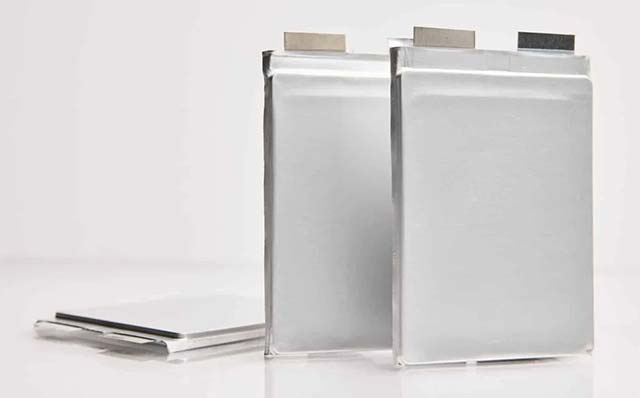
Osprey combines QuantumScape’s proprietary ceramic separator and anode-free lithium-metal design with a solid cathode to create an all-solid-state battery cell.
One of the most significant aspects of the announcement is the company’s demonstration of a sulfide-based solid-state battery cathode capable of completing 1,000 charge cycles under just one atmosphere of pressure.
This is particularly important because sulfide-based solid-state batteries have faced two major technical challenges: chemical reactions between sulfide electrolytes and lithium metal, which can shorten battery life, and the need for high operating pressure to maintain performance.
Both limitations have made it difficult to develop sulfide-based solid-state batteries suitable for mass-market electric vehicles.
QuantumScape says Osprey addresses these challenges while delivering performance characteristics that could make the technology more practical for automotive applications.
1,000 Charge Cycles and Five-Minute Fast Charging
Early testing has produced several promising results, particularly in battery longevity, charging speed and operating conditions.
According to QuantumScape, Osprey cells have demonstrated the following performance:
– Cycle life: 1,000 full charge cycles with approximately 80% capacity retention under gold-standard testing conditions.
– Fast charging: Charging from 10% to 80% in approximately five minutes.
– Operating pressure: Just one atmosphere of pressure, significantly reducing the pressure requirements associated with conventional sulfide-based solid-state battery designs.
– Cold-weather performance: Operation at temperatures below -20°C (-4°F).
– Energy density: Projected volumetric energy density of up to approximately 1,100 Wh/L.
The five-minute charging capability is particularly noteworthy. If achieved in production-ready automotive battery packs, it could significantly reduce charging times and make electric vehicles more convenient for long-distance travel.
The low-pressure requirement is another important development. Reducing the need for heavy pressure-management systems could simplify battery pack engineering and potentially make solid-state battery integration more practical.
However, these figures come from early testing and should not be interpreted as confirmed specifications for production electric vehicles. Real-world performance will depend on further development, validation and battery pack integration.
Higher Energy Density and Improved Cold-Weather Performance
Beyond charging speed and durability, Osprey is designed to deliver additional performance benefits through its combination of solid cathode technology and QuantumScape’s proprietary ceramic separator.
The company projects energy densities of up to approximately 1,100 Wh/L. Higher volumetric energy density could allow automakers to develop batteries that store more energy within the same physical space.
For electric vehicles, this could translate into longer driving ranges without necessarily increasing battery pack size. Alternatively, manufacturers could use smaller and lighter battery packs while maintaining competitive driving ranges.
Cold-weather performance is another important consideration. Conventional electric vehicle batteries can experience reduced efficiency and charging performance in low temperatures. QuantumScape says Osprey cells have demonstrated operation below -20°C, potentially offering greater flexibility for vehicles operating in colder climates.
The technology has also demonstrated an enhanced safety profile compared with conventional lithium-ion cells, according to QuantumScape.
An Open Platform for Different Battery Chemistries
Unlike a battery design limited to a single cathode chemistry, Osprey is intended to support multiple solid cathode approaches.
QuantumScape has already tested the platform using solid cathodes developed both internally and by its automotive customers. This approach could provide manufacturers and battery developers with greater flexibility when developing their own solid-state battery technologies.
The company is also expanding its commercial strategy. Osprey builds on the existing QSE platform while creating additional licensing and co-development opportunities for current customers and companies working on sulfide-based all-solid-state batteries.
This open-platform approach could help QuantumScape expand its reach across the automotive industry without relying exclusively on developing and supplying complete battery cells itself.
QuantumScape Wants to Make Osprey a Leading Solid-State Battery Platform
Dr. Siva Sivaram, president and CEO of QuantumScape, described Osprey as the result of years of advanced research and development.
He said the battery industry has invested heavily in sulfide-based solid-state technology but has repeatedly encountered fundamental technical limitations. QuantumScape believes its latest platform can address these problems and unlock more of the potential of all-solid-state batteries.
The company is already working with automotive partners on development using Osprey. Meanwhile, battery cells based on its existing QSE platform are being shipped to customers.
QuantumScape sees Osprey as its longer-term technology solution for solid-state battery development, with the goal of establishing it as a leading platform for the industry.
[Source: QuantumScape – Osprey: The Open Solid-State Platform]