Polestar is offering a glimpse into the future of its electric performance cars with the unveiling of the Formula 2030 concept. Designed as a physical representation of the Swedish automaker’s long-term Formula 2030 strategy, the striking four-door concept introduces an evolved design language that will influence the brand’s next generation of production vehicles.
Combining Scandinavian minimalism, motorsport-inspired styling, advanced technology and sustainable materials, the Formula 2030 concept represents a new chapter for Polestar. It also marks the first show car developed under the leadership of Philipp Römers, the brand’s Head of Design.
The concept reinforces three core pillars that define Polestar’s identity: design, performance and sustainability. Rather than adding unnecessary visual details, the company has focused on refining its established design DNA while giving its future electric vehicles a more distinctive performance-oriented character.
According to Römers, the Formula 2030 concept demonstrates how these three values will influence upcoming production models, strengthening Polestar’s position as a premium electric performance brand.
Polestar Formula 2030 Concept: Exterior Design and Dimensions
The Polestar Formula 2030 is a compact four-door sports car with proportions that place it between the brand’s upcoming Polestar 2 and Polestar 7 in terms of overall size.
The concept measures 4,680 mm (184.3 inches) in length, 2,021 mm (79.6 inches) in width and has a 2,780 mm (109.4-inch) wheelbase. Its roof sits just 1,350 mm (53.1 inches) above the ground, making it even lower than the Polestar 5 grand tourer.
Despite its low-slung profile, the concept combines sports car proportions with the practicality of four doors. Its design takes inspiration from the recently introduced Polestar 4, particularly in its approach to blending everyday usability with an athletic stance.
From the side, the Formula 2030 features a long bonnet, short overhangs, pronounced rear haunches and 22-inch wheels. The cabin is positioned toward the rear, creating a classic performance-car silhouette. Its sculpted bodywork and distinctive rear proportions give the vehicle a powerful appearance even when standing still.
At the front, Polestar introduces an evolution of its signature Dual Blade headlights. Integrated into an aerodynamic front wing, the lighting design provides a recognizable brand identity while previewing styling elements expected to influence the next-generation Polestar 2, scheduled for 2027.
The aggressive shark-nose front end features a deep splitter connected to the body through a central structural spine. Together with the wide stance and carefully sculpted surfaces, these details emphasize the concept’s performance ambitions.
Another unusual feature is the vertically mounted windscreen wiper, inspired by motorsport vehicles. It sits beneath a visor-like wraparound windscreen, creating a distinctive appearance while paying homage to the original Polestar 2.
The concept also incorporates a concealed LiDAR system beneath an aerodynamic cover. When autonomous driving functions are activated, the sensor becomes visible. Above it, the panoramic glass roof features Polestar’s guiding star symbol.
At the rear, the Formula 2030 introduces another important design change. Instead of the familiar full-width lightbar used on several current Polestar models, the concept features new Single Blade rear lights. This lighting signature represents a potential direction for future production vehicles.
A centrally mounted rear wing, supported by illuminated mounts, and a prominent aerodynamic diffuser complete the design. The rear glass also wraps around into the shallow side windows, while a strong C-pillar connects the roof to the muscular rear bodywork.
According to Nahum Escobedo, Polestar’s Head of Exterior Design, the concept maintains recognizable elements such as the Dual Blade headlights and powerful rear proportions while introducing new details to push the brand’s design language forward.
A Driver-Focused Interior With Advanced Technology
Inside, the Polestar Formula 2030 concept takes a different approach to the increasingly screen-dominated interiors found in modern electric vehicles. The cabin is designed around the driver, combining advanced digital displays with customizable physical controls.
The centerpiece is a 20-inch HyperDIM (Driver Information Monitor) mounted directly to the steering column. Its curved design is intended to keep important driving information within the driver’s natural field of vision.
A separate 12.2-inch central display is integrated into the rising centre tunnel, creating a cockpit that emphasizes the driver’s position. A horizontal interior design element wraps around the driver before continuing across the rest of the cabin, complemented by indirect ambient lighting.
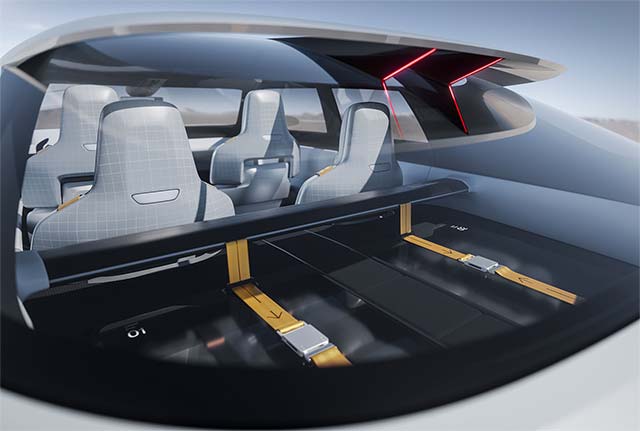
The concept features four individual seats with inflatable bolsters and cushions. These automatically adapt to each occupant’s body, providing additional lateral and longitudinal support. Their low mounting position also contributes to the sporty driving environment.
One of the most interesting features is the concept’s three selectable driving modes: Performance, Normal and Autonomous.
Rather than simply changing software settings, each mode physically transforms elements of the cabin.
In Autonomous mode, the central display moves into a more upright position to provide easily accessible information. The steering wheel and seat also move apart, creating additional space as the vehicle assumes more driving responsibility.
Switching to Normal mode or Performance mode gradually changes the cockpit configuration. In Performance mode, the central display lowers and becomes almost flush with the dashboard, while the steering wheel and driver’s information display move closer to the driver.
The result is an interior that physically adapts to the selected driving experience.
Polestar is also reintroducing a stronger emphasis on physical controls. Eight customizable buttons and switches are positioned beneath the central display, allowing occupants to configure frequently used functions.
These controls can be customized both physically and digitally. Drivers can choose between different control formats, including rotary controllers and rocker switches, while programmable shortcuts provide quick access to individual functions.
The approach reflects Polestar’s intention to find a better balance between digital technology and traditional physical controls.
Google Gemini is also integrated through Google built-in, providing an AI-powered conversational voice experience for vehicle occupants. The system is designed to make interacting with vehicle functions more natural while reducing the need for drivers to navigate multiple menus.
New Nitrogen Exterior Colour and Swedish Gold Details
The Formula 2030 concept introduces a new exterior colour called Nitrogen, developed specifically for the show car.
The Scandinavian-inspired finish is designed to respond to changing natural light, creating different visual effects across the bodywork. It extends across the vehicle’s exterior components, including the 22-inch centre-lock wheels, side cladding, front splitter and rear diffuser.
Polestar uses a combination of gloss, matte and satin finishes to distinguish individual surfaces without disrupting the overall minimalist appearance.
The contrasting Swedish Gold finish provides a more distinctive performance-inspired accent. It appears on the Brembo brake calipers, wheel valve caps, interior details and seat belts.
These gold elements connect the concept to Polestar’s performance heritage while adding contrast to the otherwise restrained colour palette.
Sustainability Takes Centre Stage
Beyond its design and technology, the Formula 2030 concept highlights Polestar’s continued efforts to reduce the environmental impact of its vehicles.
The company is further developing its mono-material strategy, particularly in the interior. The door construction is designed with full recyclability in mind, while exposed structural components, including the seat frames and cross-car beam, use low-emission galvanized steel.
Polestar says the steel is produced using recycled raw materials and renewable energy, reducing the environmental impact associated with traditional manufacturing processes.
The seat backs introduce another sustainable material innovation. Instead of relying on conventional virgin plastics, they use a bio-based composite combining European flax with bio-based polypropylene.
The material features a distinctive woven pattern inspired by the agricultural fields from which the natural fibres originate.
Natural fibre composites are also visible in the luggage area. Beneath the transparent boot floor, bespoke Polestar bags are secured with Swedish Gold straps. Opening the rear clamshell reveals structural components made using Bcomp’s natural fibre composite technology.
The concept also features exposed Öhlins dampers, highlighting its motorsport-inspired engineering. At the front, a dedicated luggage compartment provides space for race helmets and a fire extinguisher, surrounded by a Swedish Gold strut brace.
These details demonstrate how Polestar intends to combine performance engineering with more sustainable material choices.
Will the Polestar Formula 2030 Become a Production Car?
The Formula 2030 is primarily a design and technology showcase rather than a confirmed production vehicle. However, its importance extends beyond the concept itself.
Several of its design elements are intended to influence future Polestar models, including the next-generation Polestar 2 expected in 2027. The Dual Blade headlights, new Single Blade rear lighting signature, driver-focused cockpit and revised approach to physical controls offer clues about the brand’s future direction.
The concept also demonstrates how Polestar plans to differentiate its vehicles in an increasingly competitive electric car market.
With more manufacturers focusing on larger screens, advanced driver assistance systems and increasingly complex digital interfaces, Polestar appears interested in returning some attention to the driving experience itself.
The Formula 2030 brings together a low-slung performance-focused exterior, an adaptable cockpit, AI-powered technology and a stronger commitment to recyclable and bio-based materials.
Its global debut took place during a media drive event for the Polestar 4 SUV, a model that also influenced the concept’s design.
While there is no confirmed production timeline or technical specification for a Formula 2030 road car, the concept provides an important preview of what could define Polestar’s next generation of electric vehicles: cleaner design, stronger performance credentials, smarter technology and more sustainable construction.