
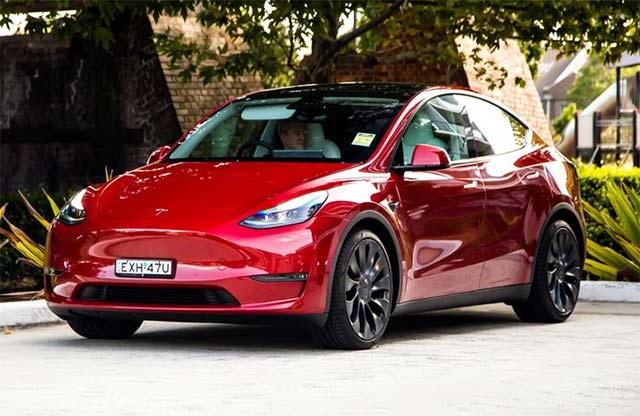
Buying a used electric car can be one of the smartest ways to enter the EV world—lower prices, minimal maintenance, and access to modern tech. But unlike traditional used cars, EVs come with unique considerations that every buyer should understand before making a decision.
With used EV demand rising rapidly in both the U.S. and Europe, now is a great time to buy—but only if you know what to look for.
Why Used EVs Are Gaining Popularity
The used EV market is booming due to falling prices, improved battery durability, and increasing fuel costs globally. In fact, used EV prices have dropped significantly due to rapid depreciation, making them far more accessible than new models.
Additionally, used EVs can be up to 40% cheaper than new ones, while offering similar daily usability.
Key Things to Check Before Buying a Used Electric Car
1. Battery Health Is Everything
The battery is the most important—and expensive—component in any EV.
– Most EV batteries degrade slowly, losing about 1.8% capacity per year
– Many still retain 80–90% capacity after 8–10 years
– Typical degradation is around 10–15% after 5–7 years
What to check:
– State of Health (SoH)
– Real-world driving range
– Charging speed consistency
💡 Tip: A slightly degraded battery is normal—focus on whether the range still fits your daily needs.
2. Warranty Coverage Matters
Most EVs come with battery warranties of 8 years or 100,000 miles (or more).
Make sure that the warranty is still active and it transfers to second owners.
This alone can save thousands, since battery replacement can cost $5,000–$16,000+.
3. Charging Compatibility & Speed
Not all EVs charge the same way.
Check:
– DC fast charging capability (CCS, NACS, CHAdeMO)
– Maximum charging speed (kW)
– Home charging compatibility
Older EVs may lack fast charging entirely, which can be a dealbreaker for long-distance drivers.
4. Real-World Range vs. Advertised Range
EPA or WLTP range figures reflect new batteries. Over time range decreases based on age, usage, and climate.
Always test:
– Actual range at 80–100% charge
– Energy consumption in real driving conditions
5. Software & Tech Features
EVs are software-driven vehicles. Check:
– Infotainment system performance
– Over-the-air (OTA) update support
– Features like driver assistance, navigation, and connectivity
Brands like Tesla tend to maintain strong software support over time.
6. Maintenance & Running Costs
EVs have fewer moving parts and can cut maintenance costs by around 50% compared to gasoline cars.
However, still inspect:
– Tires (EVs wear them faster due to weight)
– Suspension and brakes
– Cooling systems for the battery
7. Depreciation Can Work in Your Favor
EVs depreciate faster than ICE vehicles—up to 60–75% in 3 years in some cases.
That’s bad for sellers—but great for buyers looking for bargains.
Top-Selling Used Electric Cars in 2025 (U.S. & Europe)
Based on market trends, sales data, and demand patterns, these models dominate the second-hand EV market:
United States
– Tesla Model 3 (most in-demand used EV)
– Tesla Model Y
– Chevrolet Bolt EV
– Nissan Leaf
– Ford Mustang Mach-E
Europe
– Tesla Model Y (top-selling EV overall)
– Tesla Model 3
– Volkswagen ID.3
– Volkswagen ID.4
– Renault Zoe
These models are popular due to:
– Strong range and efficiency
– Wide availability
– Proven reliability and battery performance
Pros and Cons of Buying a Used EV
Pros
– Lower upfront cost
– Reduced depreciation impact
– Lower maintenance and running costs
– Immediate availability (no waiting lists)
Cons
– Battery degradation uncertainty
– Older tech vs. new EVs
– Charging limitations on older models
– Resale value volatility
Final Verdict: Is a Used EV Worth It?
A used electric car can be an excellent investment—especially in 2026, when prices are lower and technology is more mature.
The key is simple: focus on battery health, warranty, and charging capability
Get those right, and a used EV can deliver years of low-cost, reliable driving—often at a fraction of the price of a new model.


