
German premium carmaker BMW has signed a new memorandum of understanding with battery giant CATL, marking the next phase of their long-standing electric vehicle partnership.
The agreement, signed during German Chancellor Friedrich Merz’s visit to China, shifts the focus beyond battery supply and into battery supply chain decarbonisation, digital traceability and cross-border data exchange.
BMW and CATL have worked together since 2012. What began as a supplier relationship has now evolved into a broader strategic collaboration covering sustainability, regulatory compliance and digital infrastructure.
Under the new agreement, the two companies will use the Catena-X automotive data ecosystem to pilot trusted data exchange and carbon footprint accounting within the emerging Battery Passport framework.
For EV drivers, this matters. From 2027 onwards, new EU battery regulations will require detailed carbon footprint reporting and lifecycle transparency. By working on Battery Passport systems now, BMW aims to future-proof its EV portfolio against tightening environmental regulations.
Why the Battery Passport Matters
The Battery Passport is designed to provide full transparency on an EV battery’s carbon footprint, raw material sourcing and lifecycle data. This will improve supply chain sustainability, increase consumer confidence, support circular economy initiatives and enable easier recycling and second-life applications.
As battery production represents a significant share of an EV’s total emissions, reducing upstream carbon intensity is crucial if electric vehicles are to deliver meaningful climate benefits.
CATL’s Dominance in the Global Battery Market
BMW’s decision to deepen ties with CATL also reflects the Chinese company’s dominant market position.
According to SNE Research, global EV battery installations reached 1,187 GWh in 2025 — up 31.7% year-on-year. CATL leads the market with a 39.2% share and 464.7 GWh of installed capacity, making it the only supplier with more than 30% global share.
For BMW, maintaining close cooperation with the world’s largest battery supplier helps secure scale, stability and access to next-generation cell technology.
BMW’s China Strategy and the New iX3
During the signing ceremony, BMW Group Chairman Oliver Zipse reaffirmed China’s central role in BMW’s global strategy, highlighting the importance of cooperation and open innovation.
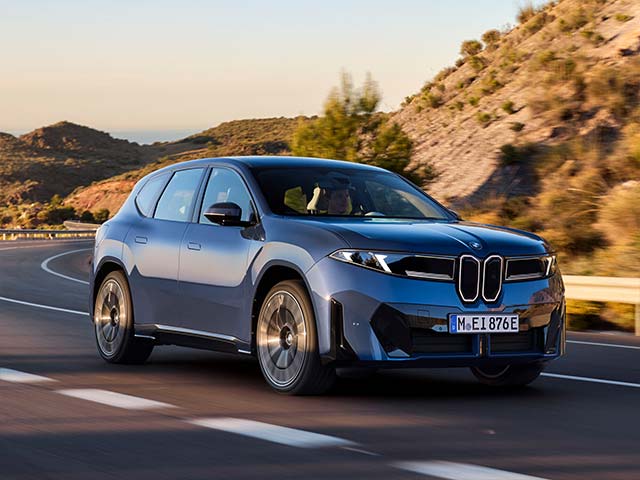
BMW also confirmed that its first locally produced “New Generation” model — the all-new BMW iX3 Long Wheelbase — will make its global debut at the Beijing Auto Show this April. The model has been jointly developed by Chinese and German teams.
While production is focused on China, technology and platform advancements from these projects typically influence BMW’s global EV lineup.


